Planning meals from pantry staples is a smart way to save time, reduce food waste, and ensure you always have ingredients on hand for quick, tasty dishes. Whether you want to stretch your grocery budget or avoid last-minute trips to the store, knowing how to make the most of what’s in your pantry can be a game-changer.
In this post, we’ll explore practical tips and ideas to help you plan meals using common pantry ingredients. From understanding what to stock in your pantry to simple recipe suggestions, you’ll be inspired to cook confidently with what you already have.
Why Plan Meals From Pantry Staples?
Pantry staples are non-perishable or long-lasting foods like canned goods, dried grains, pasta, and spices. By planning your meals around these items, you can:
– Save money by preventing impulse buys and using what you have
– Avoid food waste by using ingredients before they expire
– Create meals quickly without last-minute shopping
– Build a versatile kitchen stocked with essentials for any recipe
Step 1: Take Inventory of Your Pantry
Before planning meals, get to know what you already have. Empty your pantry shelves and make a list of staples such as:
– Grains: rice, quinoa, pasta, couscous, oats
– Canned goods: beans, tomatoes, vegetables, broth, coconut milk
– Baking supplies: flour, sugar, baking soda/powder
– Condiments and sauces: soy sauce, hot sauce, mustard, vinegar
– Spices and herbs: salt, pepper, garlic powder, dried basil, cumin
– Nuts, seeds, dried fruit
Knowing what’s available helps you decide which meals you can make and what additional fresh ingredients you may need.
Step 2: Choose Flexible Recipes
Look for recipes that can be easily adapted based on what’s in your pantry. Some great options include:
– Pasta dishes: Combine pasta with canned tomatoes, garlic, olive oil, and any veggies or protein you have.
– Rice bowls: Use cooked rice topped with beans, canned corn, salsa, avocado, or leftover meat.
– Soups and stews: Mix broth with canned beans, vegetables, and grains or pasta.
– Stir-fries: Use soy sauce and spices with rice or noodles and a blend of fresh or frozen veggies.
– Salads: Toss canned beans, grains, nuts, and fresh herbs for a filling salad.
Having a list of go-to, adaptable recipes makes meal planning smoother.
Step 3: Plan Your Meals Around Pantry Staples
Start planning your weekly meals by selecting pantry staples as the base and then adding fresh or frozen ingredients. Here’s how:
- **Pick a pantry staple for each meal** — for example, beans for chili night or pasta for spaghetti.
- **Add fresh produce or protein** to complement your pantry item.
- **Mix and match spices and sauces** to keep flavors interesting.
- **Use leftovers creatively** — leftover rice can become fried rice, for instance.
Sample meal plan using pantry staples:
– Monday: Lentil soup with canned lentils, broth, and frozen vegetables
– Tuesday: Spaghetti with canned tomatoes, garlic, and basil
– Wednesday: Chickpea curry with canned chickpeas and coconut milk served over rice
– Thursday: Bean and corn quesadillas using canned beans and tortillas
– Friday: Stir-fried rice with soy sauce and mixed frozen veggies
Step 4: Keep Your Pantry Organized
An organized pantry helps you see what you have at a glance and plan better. Tips for organizing:
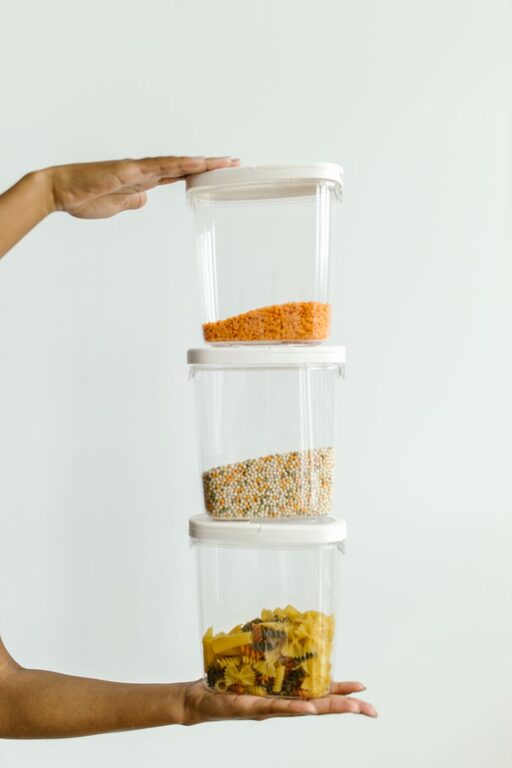
– Use clear containers or labels for easy identification
– Group similar items together (grains, canned goods, baking supplies)
– Place frequently-used items at eye level
– Rotate older items to the front to use them first
Step 5: Stock Up on Pantry Essentials
Building a well-stocked pantry means you’ll always have ingredients ready for meal planning. Here’s a list of basics to keep on hand:
– Grains: rice, pasta, oats, couscous
– Canned goods: beans, tomatoes, broth, coconut milk
– Cooking oils: olive oil, vegetable oil
– Baking necessities: flour, sugar, baking powder, yeast
– Condiments: soy sauce, vinegar, mustard, hot sauce
– Dry herbs and spices: basil, oregano, paprika, chili powder, salt, pepper
– Nuts, seeds, and dried fruit for snacking or cooking
Bonus Tips for Meal Planning Success
– Create a weekly meal plan chart to reduce daily decision fatigue
– Prep ingredients in advance like soaking beans or chopping veggies
– Use pantry staples for snack options such as popcorn or trail mix
– Experiment with new recipes that revolve around your staples to keep meals exciting
—
By taking inventory, choosing flexible recipes, and keeping your pantry organized and stocked, you can easily plan meals that are both convenient and delicious. Using pantry staples as your foundation allows you to reduce stress around mealtime while making the most of what you have in your kitchen.
Happy cooking!