
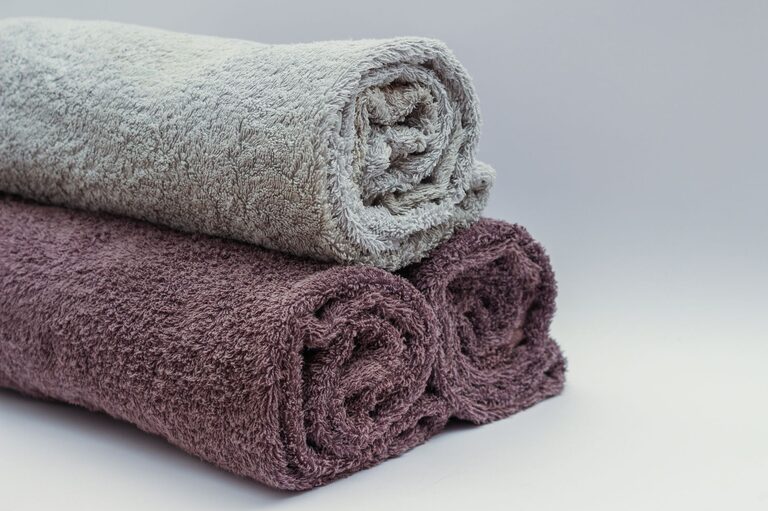
Keeping towels fresh and fluffy is a small home care win that makes everyday routines feel a bit more luxurious. Whether it’s your bath towels, hand towels, or kitchen towels, maintaining their softness and freshness not only extends their life but also enhances your comfort. In this guide, we’ll explore practical tips and proven methods to keep your towels in top condition.
Why Do Towels Lose Their Freshness and Fluffiness?
Before diving into solutions, it helps to understand why towels sometimes become stiff, musty, or rough. Common reasons include:
– Residue buildup: Detergent, fabric softeners, and minerals from water can accumulate in towel fibers, causing stiffness.
– Improper drying: Towels that stay damp too long can develop mildew and odors.
– Overuse of fabric softeners: While they provide softness initially, heavy use can actually reduce towel absorbency and cause buildup.
– High heat exposure: Excessive heat in washing or drying can damage towel fibers.
With these factors in mind, let’s look at how you can keep your towels fresh and fluffy.
Washing Towels Correctly
1. Use the Right Detergent Amount
Using too much detergent can leave residue on towels. Follow the detergent guidelines and use only the necessary amount. In areas with hard water, you might need a bit more detergent or a water softener.
2. Avoid Fabric Softeners and Dryer Sheets
Although tempting, fabric softeners and dryer sheets coat towel fibers, reducing absorbency and causing a waxy buildup. Instead, opt for natural alternatives like white vinegar during the rinse cycle.
3. Add White Vinegar or Baking Soda
Adding half a cup of white vinegar to the rinse cycle can help dissolve detergent buildup and deodorize towels. Alternatively, adding half a cup of baking soda to the wash cycle helps freshen towels and soften fibers.
4. Wash Towels Separately
Wash towels on their own to avoid lint transfer and give them plenty of room to get clean and rinse thoroughly.
5. Use Warm Water
Warm water effectively cleans towels without causing fiber damage. Hot water can be used occasionally for sanitizing but avoid frequent high-heat washing.
Drying Towels for Maximum Softness
1. Shake Towels Before Drying
Give towels a good shake before putting them in the dryer to fluff up fibers and prevent clumping.
2. Use Low to Medium Heat
Dry towels on a low or medium heat setting to protect fibers and prevent stiffness. High heat may shrink or damage towels over time.
3. Don’t Overdry
Remove towels from the dryer while still slightly damp to avoid overdrying, which can make towels rough.
4. Use Dryer Balls or Clean Tennis Balls
Add wool dryer balls or clean tennis balls to the dryer to help separate towels and increase airflow, resulting in fluffier towels.
5. Air Dry When Possible
If you have space and good weather, air drying towels outside can keep them fresh and naturally soften fibers, especially when followed by a brief tumble in the dryer.
Storing Towels to Maintain Freshness
1. Store Towels in a Dry, Well-Ventilated Space
Avoid storing towels in damp or humid areas. A linen closet with good airflow helps prevent musty odors and mildew.
2. Avoid Overcrowding
Ensure towels have enough room in the closet or shelf to breathe. Overcrowding traps moisture and reduces fluffiness.
3. Use Lavender or Cedar Sachets
Natural sachets with lavender, cedarwood, or other pleasant scents can keep stored towels smelling fresh and discourage pests.
Routine Care Tips
1. Wash Towels Regularly
Frequent washing prevents buildup of oils, dirt, and bacteria. Aim to wash bath towels every 3-4 uses, and kitchen towels more frequently.
2. Deep Clean Towels Occasionally
Every few months, deep clean towels by washing them with hot water, half a cup of baking soda in the wash, and half a cup of vinegar in the rinse cycle to break down residues and eliminate odors.
3. Inspect Towels for Damage
Check for frayed edges or worn spots and trim loose threads to prevent further damage. Replace towels once they lose their absorbency and softness despite care.
Additional Helpful Tips
– Avoid ironing towels: Ironing flattens towel loops and reduces softness.
– Consider towel quality: Investing in good quality towels made from 100% cotton or bamboo can make a big difference in softness and durability.
– Rotate towels: Using different towels regularly ensures even wear and longer lifespan.
Final Thoughts
Keeping towels fresh and fluffy doesn’t require complicated steps or expensive products. With proper washing, drying, and storage habits, you can enjoy soft, absorbent, and smelling-fresh towels every day. Remember to avoid harmful practices like overusing fabric softeners or drying on high heat, and incorporate simple boosters like vinegar or dryer balls. Your towels—and your comfort—will thank you!